Useful Information

Official Language

The official language of the conference is English

Time

The Philippines operates on UTC+08:00 or GMT+8, which is officially known as Philippine Standard Time (PHT or PhST). It is 8 hours ahead of Coordinated Universal Time (UTC) or Greenwich Mean Time (GMT) and does not observe daylight saving time.

Money

The Philippines’ official currency is the Peso (PHP). Visa and master card are accepted in many hotels, restaurants and large stores, particularly in big cities. ATMs are popular throughout the country. You can find several international banks in Manila.

Internet Access

Internet and wi-fi is widely available throughout the Philippines. Most hotels, restaurants, cafes offer wi-fi for free.

Philippine Weather

January is one of the coolest and more comfortable months to visit the Philippines. It falls within the cool, generally drier season, with the Northeast Monsoon (Amihan) bringing cooler and less humid conditions, particularly in Luzon and Metro Manila.

In Metro Manila, delegates can generally expect warm, pleasant days and cooler evenings, with temperatures typically in the low-20s°C to around 30°C. January is also historically one of Manila’s drier months, although occasional rain showers may still occur.

Electrical Specifications

Voltage: 230 V; Current: 60 Hz

Electrical specifications in the Philippines are governed by the Philippine Electrical Code (PEC) and typically feature a 230 Volt, 60 Hz single-phase supply.

Cultural Experiences Around Metro Manila

History & Heritage

  • Explore Intramuros — Fort Santiago, Manila Cathedral, San Agustin Church, and Casa Manila.
  • Visit Rizal Park and the National Museum Complex for deep insights into Philippine history, art, and culture.
Arts & Museums

  • National Museum of Fine Arts
  • Pinto Art Museum (Antipolo) — a short scenic trip outside Metro Manila with contemporary Philippine art.
Food & Local Traditions

  • Dive into Binondo (Chinatown) — the oldest Chinatown in the world — with heritage food tours and street eats.
  • Experience Filipino culinary workshops or market strolls in Quiapo and Divisoria.
Performance & Arts

  • Attend shows at the Cultural Center of the Philippines or independent arts venues in BGC and Manila.
  • Join local festivals or community events to get a taste of Filipino traditions in celebration and performance arts.

Must Buy Filipino Items

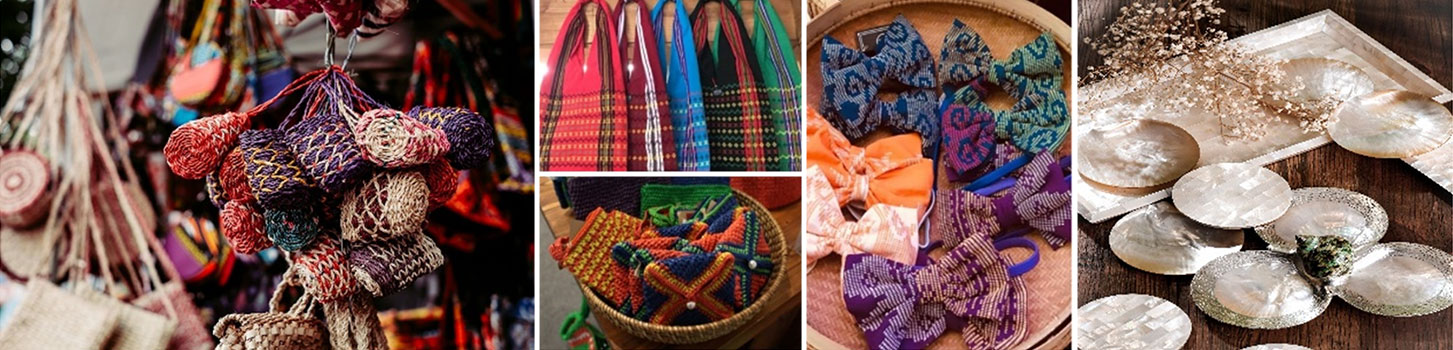
Handwoven Textiles & Accessories

  • Beautiful fabrics, scarves, bags, and accessories made by Filipino weavers showcase traditional patterns and craftsmanship — ideal for souvenirs with cultural meaning.
Artisanal Bags & Crafts

  • Locally made bags, pouches, and handcrafted items reflect Filipino artistry and are perfect for everyday use or gifts.
Pearl & Capiz Shell Jewelry

  • Elegant jewelry featuring natural South Sea pearls or shell inlaid designs captures the essence of Philippine coastal artistry.
Shell & Home Decor

  • Decorative items crafted from capiz or seashells (like coasters, ornaments, or décor pieces) are distinctive reminders of the archipelago.

Delicious Pasalubong (Food Gifts)

  • Dried Mangoes – Tropically sweet and chewy mango snacks everyone loves.
  • Filipino Coffee – Unique Philippine coffee beans and blends.
  • Local Snacks – Hopia, polvoron, and other classic Filipino treats make great travel‑friendly gifts.

Other Unique Filipino Items

  • Mini Jeepney & Local Toy Souvenirs — Colorful capsule of Filipino culture.
  • Wood Carvings or Figurines — Intricate handcrafted wood art and décor.
  • Barong Tagalog / Filipiniana Textiles — Classic traditional garments or keepsake fabric pieces.

Where to Shop in Metro Manila

  • Major malls (Greenbelt, Glorietta, SM Mall of Asia) — Reliable places for quality souvenirs and food gifts
  • Museum & boutique shops — Often offer curated artisanal items
  • Weekend markets (Salcedo, Legazpi) — Great for local crafts and designer finds